
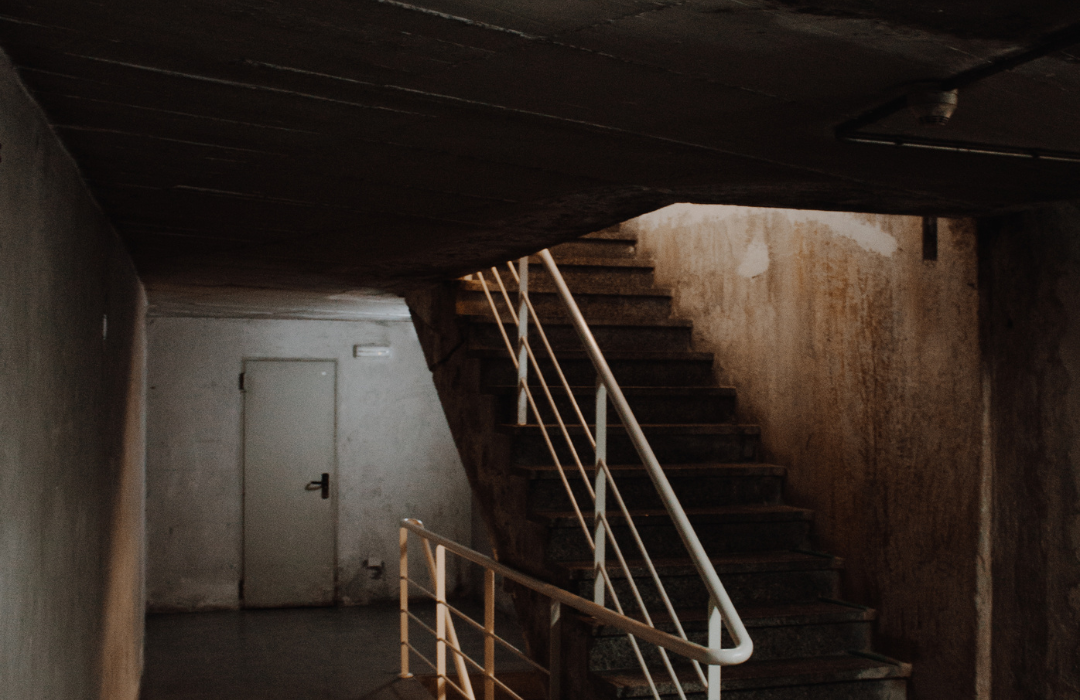
Some restoration calls begin with standing water or fire damage. In this case, a homeowner in Wildwood reported, “Everything looks dry, but the air feels heavy down there.” This concern immediately caught our dispatcher’s attention.
At Sansara, we have found that changes in indoor air often indicate problems before visible damage appears. In this Wildwood home, the homeowner had cleaned up a minor appliance leak weeks earlier. The flooring and drywall appeared intact, but the air felt different, prompting the homeowner to call us.
That decision helped prevent a more significant issue.
Why Air Quality Changes After Water Damage
Moisture doesn’t just affect visible materials. It alters air movement within a space. When water accumulates in insulation, subflooring, or framing cavities, it creates conditions that allow microscopic particles and microbial activity to affect air quality. Chesterfield and Ladue, finished basements are especially vulnerable to this. These spaces often have limited airflow compared to upper levels, which allows moisture-related contaminants to linger longer.
Upon arrival, our technicians measured humidity and airborne particle levels. The results confirmed the homeowner’s concerns: the air environment had changed, despite stable visible surfaces.
What Our Crew Found Inside the Wall Cavities
After detecting elevated moisture near the laundry area, our technicians inspected the wall behind the appliance connection. Moisture had traveled through the framing and insulation without causing visible surface damage.
Our crew frequently encounters this throughout St. Louis County. Water often follows the path of least resistance, traveling horizontally through structural materials rather than pooling where it is easily seen.
Once we identified the affected sections, our team established containment zones to prevent microscopic particles from spreading during restoration.
Why Proper Air Filtration Matters During Restoration
Many assume that drying equipment alone resolves water damage. However, drying is only part of the process. Air filtration is equally important when moisture affects air quality.
Our trucks carry filtration systems designed to capture airborne particles during drying. During this Wildwood project, those systems helped stabilize the environment as moisture levels within concealed materials dropped.
In Chesterfield and Ladue, our technicians often encounter cases where drying was attempted without filtration, which can recirculate contaminants rather than remove them.
The Moment the Basement Felt Comfortable Again
By the time our crew completed the project, the homeowner mentioned something simple but meaningful. They said the basement felt breathable again. Our technicians take that feedback seriously because comfort and safety often go hand in hand.
Basements serve as home gyms, family rooms, offices, and storage. When air quality declines, these spaces become less usable. Restoration restores their comfort and functionality.
Questions We Hear When Air Quality Changes After a Leak
Can water damage really affect indoor air quality?
Yes. Moisture can trigger microbial activity and particle movement, which influence the air environment.
Should air changes be ignored if surfaces appear dry?
Air changes are often early warning signs that hidden moisture still exists.
Do finished basements carry a higher risk?
They often do so because airflow can be limited compared to that in upper living spaces.
When a Room Feels Different But You Can’t Explain Why
If you live in Wildwood, Chesterfield, Ladue, or nearby areas and notice changes after a leak or appliance failure, our Sansara team is ready to help. Call us at 636-812-3838 or visit our website to learn more. To read feedback from local homeowners, visit our Google Business Profile.