For many Chesterfield homeowners, a small water spot on the ceiling or a minor drip during a heavy Missouri thunderstorm may seem easy to ignore. But waiting puts your home at risk. In-home restoration, there is no such thing as a “small” roof leak—only one that hasn’t yet caused serious damage.
At Sansara 24/7 Restoration & Remodeling, we routinely discover that by the time a homeowner spots a stain on the drywall, water has already been entering the structure for weeks—or months—undetected, threatening the home’s integrity.
How Roof Leaks Spread Hidden Damage
Water rarely travels in a straight line. When a shingle fails or flashing becomes loose, water enters the attic and begins its journey. It may run along the underside of a roof rafter, soak into a layer of fiberglass insulation, or pool on top of the ceiling drywall in a completely different room from where the leak started.
This “hidden travel” is why roof leaks are so deceptive. The water is being absorbed by your home’s “skeletal” system—the wood framing and insulation—long before gravity pulls it down far enough for you to notice a spot on your ceiling.
Warning Signs to Watch For
To protect your home in St. Louis, Ladue, or Chesterfield, look for subtle signs of moisture before the ceiling begins to sag.
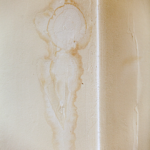
- Ceiling Stains: These often appear as light-brown or yellow “halos.” Even if they are dry to the touch between storms, the stain indicates the material has been saturated.
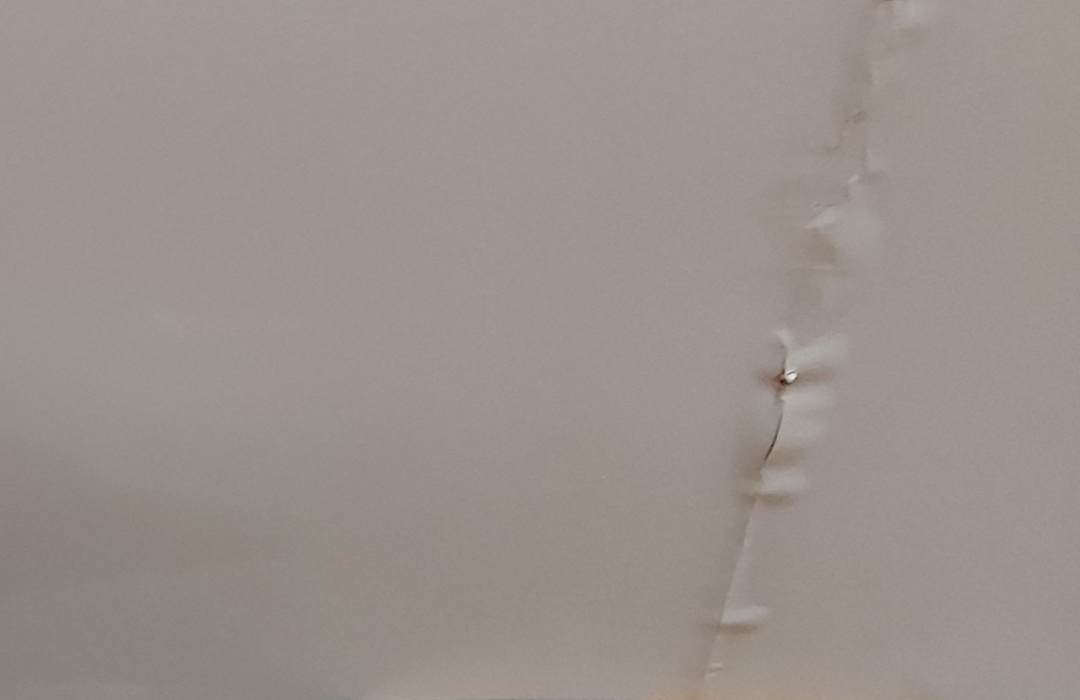
- Peeling or Bubbling Paint: When drywall is holding water, the moisture tries to escape. Since paint acts as a vapor barrier, water can get trapped behind it, causing the paint to lose its bond and bubble out.
- Dripping Water During Storms: This is an active failure. If you hear “ticking” in your walls or see active drips, the internal materials are likely already at their maximum water capacity.
- Musty Smells in the Attic: If you open your attic hatch and notice an earthy, damp odor, it is a primary sign of mold growth on the roof decking or insulation.
Why Early Action is a Financial Necessity
The cost of fixing a few missing shingles is a fraction of the cost of a full mold remediation and structural repair project. When water is allowed to sit in an attic, it triggers a chain reaction:
- Insulation Failure: Once insulation gets wet, it clumps together and loses its ability to regulate temperature, leading to higher energy bills.
- Structural Rot: Constant moisture softens the wood rafters and ceiling joists, which can eventually lead to sagging rooflines.
- Mold Outbreaks: Attics are often warm and dark. Add a little roof-leak moisture, and you have a perfect “greenhouse” for mold that can eventually affect your home’s air quality.
Professional Roof Leak and Water Damage Help
At Sansara 24/7 Restoration & Remodeling, we don’t just look at the ceiling stain. We use moisture mapping and infrared technology to trace the water back to its source. Our goal is to ensure your attic is fully dried and treated so that a small leak doesn’t turn into a permanent problem for your home.
Frequently Asked Questions About Roof Leaks
Can a roof leak cause an electrical fire? Yes. If water travels along a rafter and contacts an electrical junction box or recessed lighting fixture, it can cause a short circuit and create a fire hazard.
Will my insurance cover a roof leak? Most policies cover “sudden and accidental” water damage from storms. Claims may be denied if the leak resulted from years of neglected maintenance rather than a recent event. It is important to review your coverage terms and notify your insurer as soon as you discover a leak. We can assist you with documenting the damage for your adjuster.
Should I replace my wet insulation? Usually, yes. Certain types of insulation, such as cellulose or fiberglass batts, lose effectiveness and become breeding grounds for mold when saturated.
Why is the stain getting bigger even when it isn’t raining? This often happens because the insulation is still holding a massive amount of water. It slowly “bleeds” that moisture into the drywall over several days after the storm has passed.
Contact Sansara 24/7 Restoration & Remodeling
If you suspect a leak in Chesterfield, Ladue, or St. Louis, act now. Call Sansara 24/7 Restoration & Remodeling to prevent costly damage before the next rain.