Historic St. Louis homes have a distinct character, from brick colonials in the Central West End to classic multi-story properties near Lafayette Park. But when an old supply line splits inside a second-story bathroom, water doesn’t just sit on the floor. It glides beneath the original hardwood, runs down the solid brick cavity walls, and saturates the heavy plaster ceilings below.
In older Midwestern construction, water mitigation requires a specialized understanding of historic building assemblies. Preserving original craftsmanship while removing deep structural moisture demands precision, not aggressive tear-out.
Water Moves Through Brick and Plaster Assemblies, Creating Water Damage
Unlike modern drywall and lightweight pine framing, older St. Louis homes feature dense plaster over lath, multi-wythe brick masonry, and thick dimensional oak joists. When liquid leaks into these assemblies, it behaves differently:
- Plaster absorbs water slowly but holds it indefinitely, losing its bond to the wood lath as it saturates.
- Solid masonry walls trap water inside internal cavity gaps, releasing moisture back into interior plaster for weeks.
- Original tongue-and-groove hardwood subfloors swell along panel seams, cupping and lifting if not dried quickly under negative pressure.
- Dense-dimensional joists retain bound water deep within the wood fibers, requiring sustained low vapor pressure to dry thoroughly.
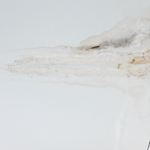
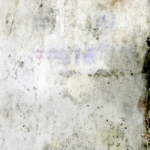
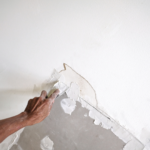
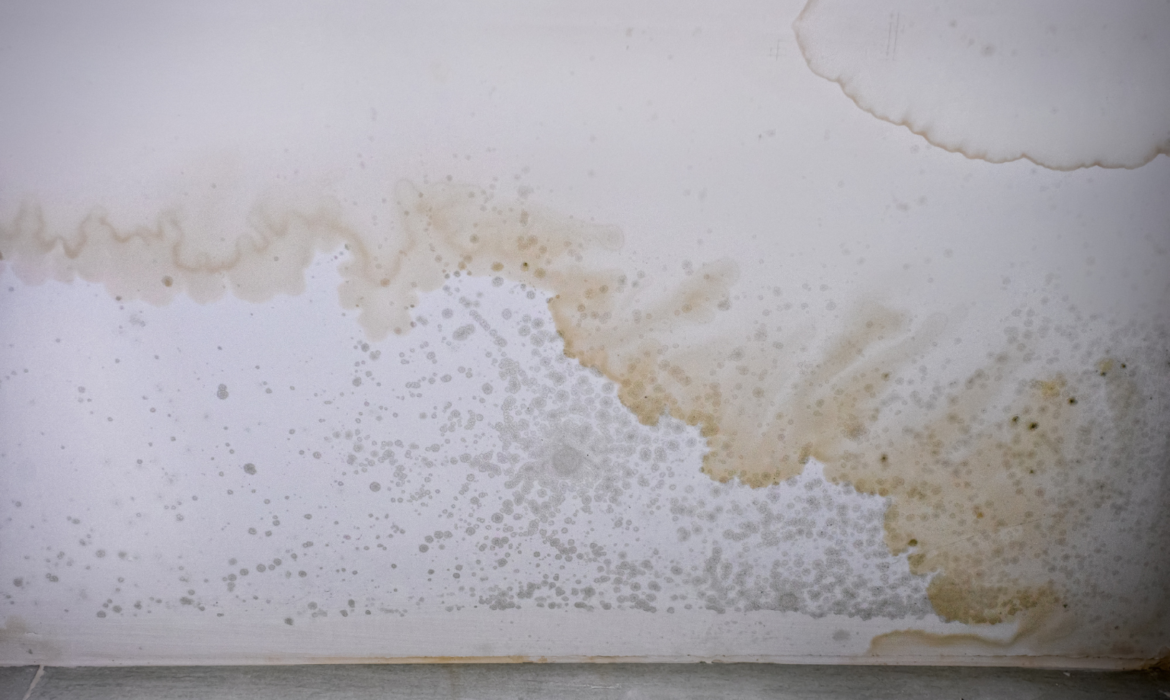
By the time water stains appear on decorative ceiling medallions or plaster begins to flake, liquid has already moved deep into the surrounding masonry and framing assemblies in Ladue and Chesterfield.
How We Dry Your Home After Water Damage
Drying dense plaster and masonry without destroying original finishes requires controlled atmospheric drying. Certified technicians evaluate moisture migration using non-invasive thermal imaging cameras and deep-penetration resistance meters, mapping the exact perimeter of trapped moisture.
Once boundaries are mapped, low-grain refrigerant dehumidifiers and high-velocity air movers lower relative humidity. Targeted injection drying units force warm, dry air into wall cavities through tiny, discreet holes behind baseboards, drawing bound water out of dense plaster and wood lath without requiring widespread wall demolition.
Monitoring the Drying Process
Drying historic building materials requires disciplined scientific tracking. Technicians log daily psychrometric data, tracking relative humidity percentages, specific humidity ratios, and surface temperature differentials.
Technicians test plaster walls, oak joists, and subfloors continuously until readings match pre-loss baseline standards. This disciplined monitoring eliminates hidden moisture pockets, preventing structural rot or latent mold growth.
Learn more on our water damage restoration service page.
Protecting Historic Value for Future Generations
Acting quickly at the first sign of soft plaster, floor cupping, or damp masonry preserves original architectural details and protects property value.
If you suspect hidden moisture behind your plaster walls or beneath your flooring, turn to the experts at Sansara 24/7 Restoration & Remodeling. Call our team directly at (636) 812-3838 to schedule a comprehensive structural moisture inspection.