We have pulled out a lot of wet carpet from finished Chesterfield basements over the years. The phone usually rings somewhere between midnight and 6 a.m., after one of those classic St. Louis summer storms rolls through and drops three inches of rain in an hour. By the time a homeowner wades down the stairs and flips the light switch, they are already looking at thousands of dollars in damage and a water damage restoration job that cannot wait until morning. We have been on those calls enough times to know exactly what went wrong and exactly what needs to happen next.
The Chesterfield Clay Soil Problem
Chesterfield’s soil is primarily heavy clay, which drains poorly compared to sandy or loamy soils. During dry periods, the clay contracts and creates gaps near foundation walls. When it rains heavily, the saturated clay sheds water rapidly, directing it toward your foundation.
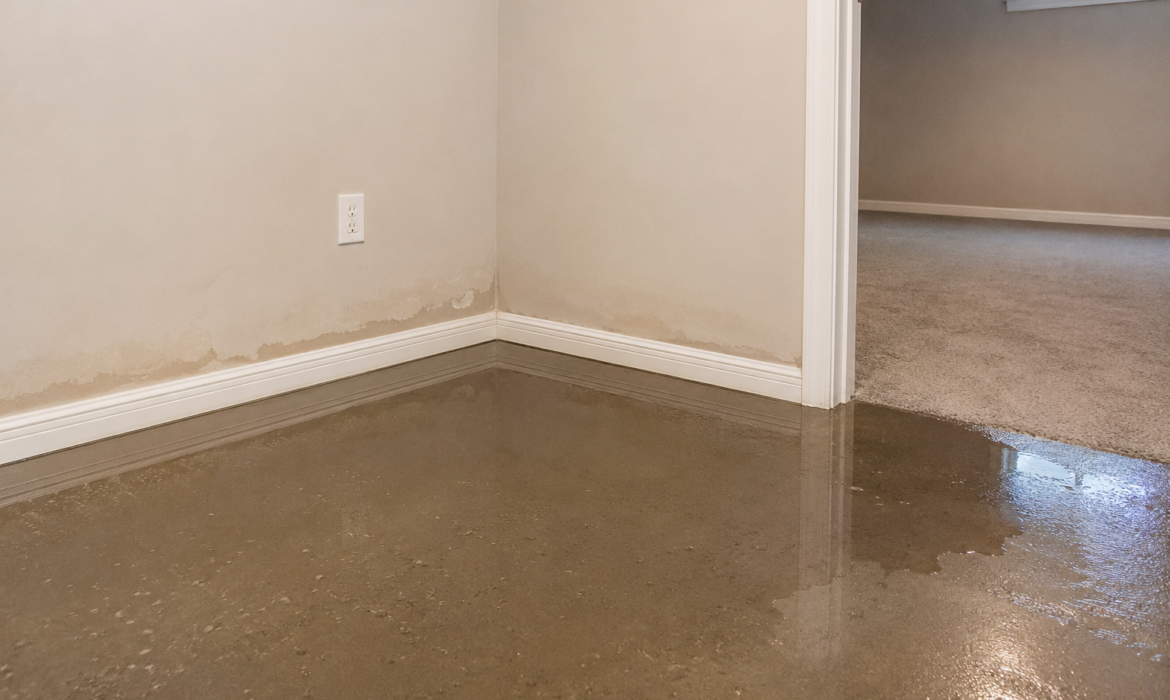
In our experience, homes built in Chesterfield’s older subdivisions often have block foundations that were not sealed to today’s standards. Block is inherently porous, and once the clay exterior is fully saturated, hydrostatic pressure forces water through the mortar joints. You end up with water seeping in along the base of the walls, sometimes in multiple spots at once. Homeowners sometimes spend months attempting their own water damage repairs, patching individual cracks without ever addressing the underlying pressure.
Summer Storms Make a Bad Situation Worse
St. Louis summers bring intense heat and humidity, often resulting in severe storms. The National Weather Service frequently issues flash flood watches for the area. Chesterfield is especially at risk due to its proximity to the Missouri and Meramec rivers. Even storms upstream can cause local flooding by overwhelming drainage systems.
We have seen sump pumps in Chesterfield perform well initially, only to fail after extended use during consecutive storms. Backup systems provide some protection but are not sufficient alone. When the ground is saturated, even moderate rainfall can quickly lead to flooding, and delays in cleanup increase the complexity and cost of restoration.
The Hidden Cost of a Finished Basement
Flooding in finished basements is especially costly. While minor leaks in unfinished spaces may require minimal cleanup, many Chesterfield homeowners have invested in features such as home theaters, wet bars, and guest rooms. Flooding in these areas often necessitates drywall removal, insulation replacement, flooring repairs, and mold prevention within 24 to 48 hours, followed by full restoration if not addressed promptly.
Mold remediation in a finished basement can be particularly stubborn because wall cavities trap moisture long after the visible surfaces appear dry. We have seen situations in both Chesterfield and Ladue where a homeowner dried out the visible flooring but left the insulation behind the drywall wet. Weeks later, they called us back to address a mold situation that was far more expensive to remediate than the original water damage would have been.
What to Do in the First Hour After a Flood
If your Chesterfield basement floods, here is what actually matters in that first hour.
Avoid entering standing water if there is any risk of electrical hazards. Turn off the basement circuit breaker before entry. Contact a water damage restoration company near you immediately, as water damage can escalate quickly and may involve sewage contamination. If safe, move belongings to higher ground, but prioritize calling professionals. Document all damage with photos for insurance purposes. Do not use fans on wet walls or drywall until a professional has assessed the situation, as this can spread contaminants and hinder proper drying.
Professional Drying Is Not Optional
Many homeowners attempt to address basement floods with rented equipment, but often require professional help when issues persist. Consumer-grade tools cannot remove moisture from subfloors, wall cavities, or concrete. Professional restoration uses industrial dehumidifiers, specialized air movers, and moisture meters to ensure thorough drying.
Proper drying of a finished Chesterfield basement usually requires three to five days with professional equipment. Rushing this process often leads to future problems. Incomplete drying is the leading cause of mold remediation and unnecessary remodeling after a flood.
Serving Chesterfield and the Surrounding Area
We work with homeowners across the St. Louis metro area, including Chesterfield, Ladue, and surrounding communities. Whether you caught a slow seep early or you are standing in six inches of water at 2 a.m., we are available around the clock. Sansara 24/7 Restoration and Remodeling handles the full scope from flood cleanup and structural drying through complete basement remodeling, so you work with one team from start to finish. You can also find us on Google if you want to read what other local homeowners have said about working with us.