Hardwood flooring is a significant investment that adds timeless beauty and value to homes across St. Louis, Ladue, and Chesterfield. However, wood is a porous, organic material that acts like a sponge when it comes into contact with water. Whether it is a slow leak from a refrigerator or a sudden burst pipe, water can compromise your floors in a matter of hours.
At Sansara 24/7 Restoration & Remodeling, we specialize in advanced floor drying techniques that prioritize saving your hardwood rather than replacing it. Understanding how wood reacts to moisture is the first step in protecting your home’s structural integrity.
What Causes Warping and Buckling?
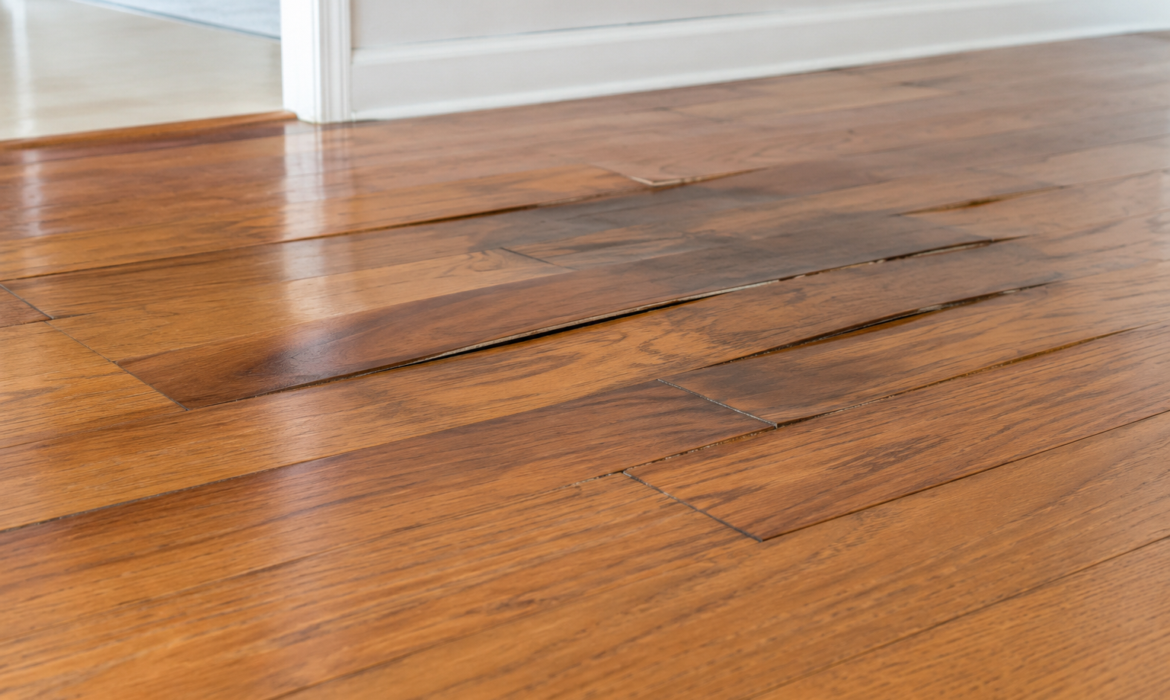
Wood fibers are designed to transport moisture in nature. When these fibers are exposed to excessive water in your home, they absorb the liquid and expand. Because hardwood planks are installed tightly together, they have no room to grow outward, causing them to push against each other and force the wood upward or sideways.
As the wood dries—especially if it dries unevenly—the planks begin to lose their original shape. This physical transformation leads to permanent distortions, including warping, cupping, or buckling.
The Signs of Hidden Water Damage
Water doesn’t always stay on the surface. In many St. Louis homes, the most severe damage happens beneath the finish, where the water meets the subfloor. Watch for these specific red flags:
- Cupping: This occurs when the edges of the floorboard are higher than the center, creating a concave shape. This usually means moisture is trapped underneath the plank.
- Crowning: The opposite of cupping, where the center of the board humps upward. This often happens when the surface is soaked or if the boards are sanded before they are fully dry.
- Buckling: The most extreme reaction, where the floorboards actually lift several inches off the subfloor.
- Soft Spots: If certain areas of your floor feel “spongy” or give slightly when you walk on them, water has likely compromised the subfloor or the adhesive.
- Musty Odors: A persistent earthy smell in a room with hardwood is a primary indicator that mold is growing in the dark, damp space between the wood and the foundation.
Why Surface Drying Is Not Enough
Many homeowners in Chesterfield and Ladue attempt to dry their floors using towels and household fans. While the surface may look dry within a few hours, the real danger is the moisture trapped in the “sandwich” between the hardwood and the subfloor.
Standard airflow cannot reach this trapped pocket of water. If left alone, this moisture will continue to feed mold growth and cause the wood to rot from the bottom up. Professional restoration requires specialized equipment, such as injectidry floor mats, which use powerful suction to pull moisture directly through the wood pores and the cracks between planks.
Professional Hardwood Restoration in St. Louis
Timing is the most critical factor in saving a hardwood floor. If the drying process begins within the first 24 to 48 hours, the wood can often be “reset” to its original flat position, saving you thousands of dollars in replacement costs.
If your home in St. Louis, Ladue, or Chesterfield has experienced a leak, Sansara 24/7 Restoration & Remodeling is ready to help. We use industrial-grade dehumidifiers and thermal imaging to ensure every drop of moisture is accounted for.
Frequently Asked Questions About Wet Hardwood
Can cupped floors ever be fixed? Yes. If moisture is removed quickly and the wood is dried to its original “dry goal” moisture content, many cupped floors will flatten on their own.
How long does it take to dry hardwood floors? Depending on the type of wood and the extent of saturation, the professional drying process typically takes 3 to 7 days.
Is mold a concern under wood floors? Absolutely. The space beneath your floorboards is dark and lacks airflow. If water remains there for more than 48 hours, mold is almost guaranteed to develop.
Should I sand my floors right after they get wet? No. You should never sand wood floors while they are still wet. Sanding a cupped floor before it is dry will result in “crowning” once the moisture eventually leaves the wood.
When Water Damages Your St. Louis Floors, Call the Experts
Don’t wait for your floors to buckle. If you suspect moisture under your hardwood in St. Louis, Ladue, or Chesterfield, contact Sansara 24/7 Restoration & Remodeling immediately.
- Phone: (636) 812-3838
- Website: Sansara 24/7 Restoration & Remodeling
- Google Business Profile: Find Us on Google Maps