
Smoke Damage Restoration for St. Louis Homes and Businesses
Smoke can travel far beyond the room where a fire started, and the residue it leaves behind is easy to make worse. Sansara 24/7 Restoration & Remodeling provides smoke damage restoration in St. Louis, MO for homes and businesses after structure fires, kitchen fires, fireplace events, appliance fires, and smoke that spread from a neighboring unit. Fast assessment matters, because residue that sits on walls, ceilings, and fabrics can stain and settle into materials over time.
Smoke damage is not always the result of a big fire. A small kitchen fire, a fireplace that puffed back, or a fire next door can leave a whole house smelling of smoke with only a little visible damage, and that kind of loss still deserves a proper look.
We are locally and family owned, based in Wildwood, and we answer the phone 24 hours a day. When you call, we ask where the smoke came from, which rooms it reached, and what has already been touched or cleaned. Then we schedule an inspection and explain what we find. Smoke restoration is one part of our fire damage restoration services, and we can take the job from smoke cleaning through repairs.
Before you clean anything, please do not scrub soot off walls, wash smoke-marked surfaces, or spray household odor products on them. Call (636) 812-3838 first.
What Smoke Damage Can Affect
Smoke reaches more than most people expect. It moves through doorways, stairwells, wall cavities, and air handling systems, so damage often shows up far from the burn area. Smoke damage can affect:
Walls and ceilings, including painted, papered, and textured surfaces
Cabinets, closets, drawers, and the shelves inside them
Flooring, including carpet, carpet pad, hardwood, and tile
Upholstery, mattresses, clothing, and other textiles
Contents such as electronics, books, dishes, and decor
Insulation and other porous materials inside walls and attics
HVAC returns, vents, and ductwork that pulled smoke through the property
Rooms and closed spaces you would not expect, like a closet with the door shut
Porous materials take the most punishment. Drywall, insulation, carpet, and fabric absorb smoke and hold the smell, while hard, sealed surfaces are easier to clean. That difference is one reason two rooms in the same home can need very different treatment. We check hidden and closed-off areas as part of the inspection, since smoke residue that goes unnoticed keeps giving off odor after the visible areas are clean.
If the heating and cooling system was running during or after the fire, do not turn it back on until it has been checked. We also offer air duct cleaning, and we decide with you whether your ducts need it after a fire based on what the inspection shows.
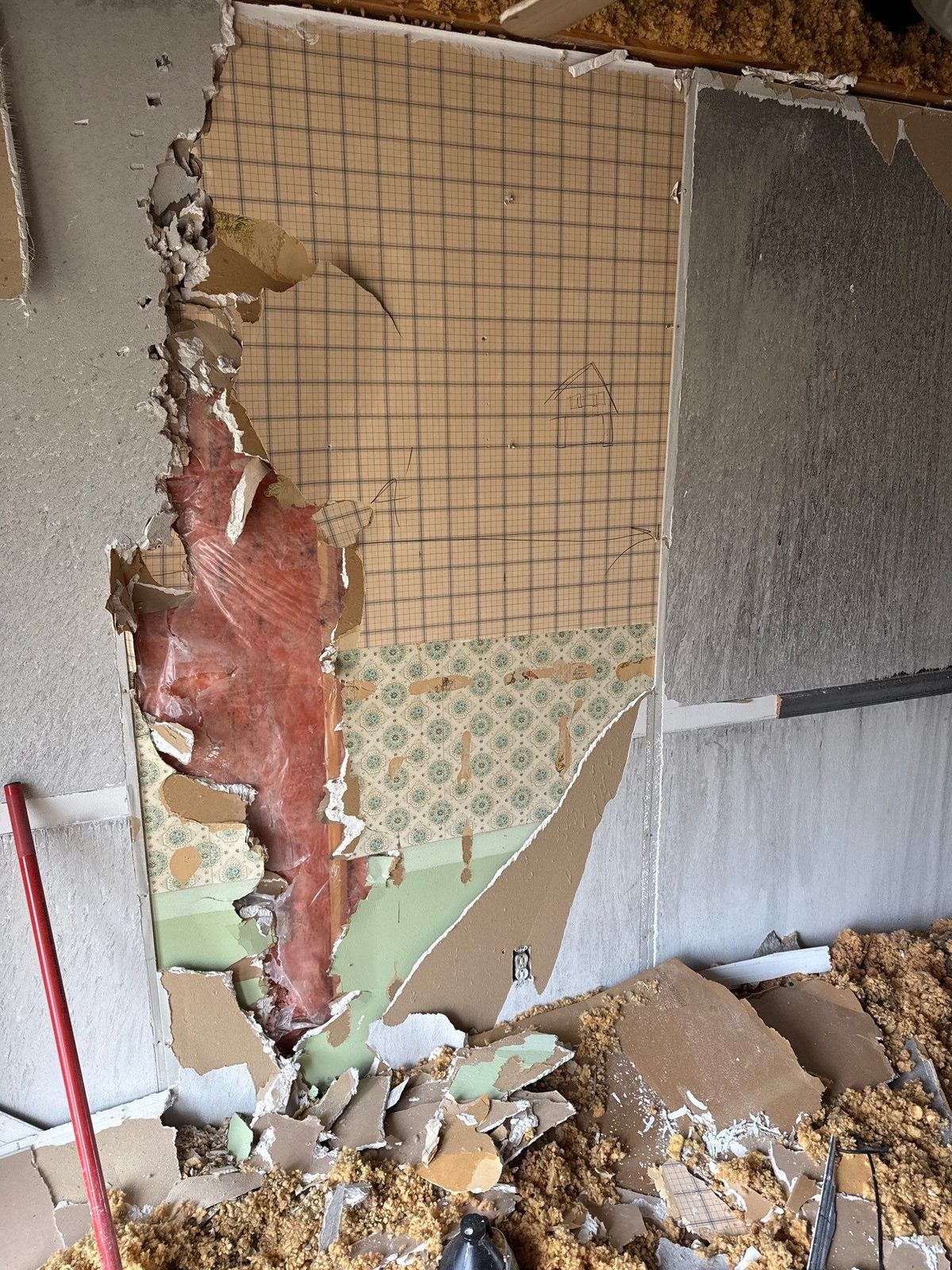
Smoke Residue, Soot, and Staining
Not all smoke residue is the same. Dry soot from a fast-burning fire is powdery and tends to smear when it is wiped. Oily residue from a slow, smoldering fire forms a film that spreads and can be hard to lift. Protein residue from a kitchen fire can be almost invisible while leaving a sharp smell and a sticky, discoloring film. Each type reacts differently to cleaning products, and using the wrong one can set a stain instead of lifting it.
Time works against you. Residue left on surfaces can discolor paint, tarnish metal fixtures, and cloud glass, and fabrics that hold smoke are harder to clean the longer they sit. That is why an early inspection helps, even when the damage looks minor.
The surface matters just as much. Painted drywall, wood, glass, metal, and fabric each tolerate different methods. Some surfaces clean up well. Others stay stained or hold the smell, and we tell you honestly when replacement is the better option.
Incorrect cleaning is the most common way smoke damage gets worse. Scrubbing rubs residue into paint, water on dry soot can turn it into a stain, and a household vacuum can spread fine particles through the house. Calling before you clean can keep a surface we would otherwise be unable to save.
Soot is part of every smoke loss, so we cover it here as part of the full smoke picture instead of treating it as a separate job. Where a fire also left debris and damaged materials, fire damage cleanup handles that side of the work.
Our Smoke Damage Restoration Process
Here is how a smoke restoration job typically moves, from the first walk-through to the final review.
Inspection and Residue Testing
We walk the affected rooms and the rooms around them, looking for visible residue, staining, and places where smoke settled. We identify the residue type and test-clean small, out-of-sight areas to see how each surface responds before we commit to a method. We record what we find with photos and notes, and we check for water damage from firefighting, which often comes along with smoke damage. We also look at what the smoke passed through on the way, including attics and crawl spaces, since insulation and framing can hold odor even when the rooms below look clean.
Ventilation and Containment Where Needed
Where smoke and soot could travel into clean rooms during cleaning, we contain the work area and manage airflow to keep residue where it is. Not every job needs this. A fire that stayed in one room usually does, while a light smoke exposure may not. We decide based on the inspection, not on a default.
Cleaning and Residue Removal
We clean walls, ceilings, floors, cabinets, fixtures, and other surfaces with methods matched to the surface and the residue type, working in an order that avoids re-contaminating what is already clean. Materials that cannot be cleaned effectively, such as heavily smoke-soaked insulation or carpet, are documented and removed.
Contents Evaluation
Belongings affected by smoke are sorted into what can be cleaned, what should be replaced, and what needs a closer look. Items that can be saved may be packed out, where we inventory, pack, move, and clean them, and we document everything for you. We list each item we handle, so you have an inventory for your records and for your insurance company. Our pack-out services handle that process, and you can ask us about storage options for your project.
Odor Source Reduction
Removing what holds the smell comes before treating the smell itself. We take out the sources we can, clean residue from the surfaces around them, and then treat what remains. We check the results room by room rather than assuming the smell is gone.
Final Review and Repair Planning
When cleaning is finished, we review the results with you and talk through repairs. Some homes need repainting and minor work. Others need drywall, flooring, or larger repairs. If a room needs repainting, we tell you before you spend money on paint, since paint over leftover residue can bleed through or hold the smell. Our reconstruction services can take the repair side from there, and we provide a free estimate, so you are not starting over with a new company.
Smoke Odor Removal After Fire Damage
Odor is often the last thing to clear, and it is the reason many people call. Smoke odor comes from residue and from the porous materials that absorbed smoke, so it lasts until the source is dealt with. Cleaning removes the residue, taking out materials that cannot be cleaned removes the source, and deodorization treats what is left. Air fresheners and sprays only cover the smell for a while.
We cannot promise a smell will disappear in every case, especially when contaminated materials remain. If odor is your main concern and there is little or no visible soot, smoke odor removal explains how we find and treat the sources.
Insurance Documentation for Smoke Damage
Smoke damage claims depend on records. As part of every job, we document the affected rooms with photos, keep notes on where smoke and soot were found and how heavy they were, write up the cleaning scope in an itemized estimate, and inventory affected contents when we handle them. That documentation is yours to share with your adjuster, and we work with your insurance company to answer questions about it.
Coverage depends on your policy and the cause of the loss. We cannot say what your policy will pay, and we cannot guarantee that a claim will be approved.
Schedule Smoke Damage Restoration in St. Louis, MO
If your property has smoke damage, call Sansara 24/7 Restoration & Remodeling for smoke damage restoration in St. Louis, MO. Call before you scrub soot, wash walls, or use odor sprays on affected surfaces. We inspect, explain what we find, and give you a cleanup plan and a free estimate.
We serve St. Louis City, St. Louis County, St. Charles County, Jefferson County, Franklin County, and Monroe County, Illinois. Call (636) 812-3838 any hour, or request an inspection if the situation is not urgent.