
Storm Damage Restoration for St. Louis Homes and Businesses
When severe weather damages your property in St. Louis, MO, the first priority is stopping the damage from getting worse. A storm can leave broken windows, open walls, soaked materials, fallen debris, and hidden moisture inside walls and ceilings. Sansara 24/7 Restoration & Remodeling helps inspect the damage, board up exposed openings, dry what got wet, document the loss, and move the property toward repair.
Storms in the St. Louis area come in several forms: high winds, hail, heavy rain that overwhelms drains and sump pumps, falling limbs and trees, and lightning. One storm often does more than one kind of damage. Wind breaks a window, rain comes through it, and by morning the carpet is soaked and the drywall is pulling water up the wall. We look at the whole event instead of one piece of it, so nothing gets missed while the property waits on repairs.
Our storm work covers the stretch between the emergency and the rebuild:
A safety review and damage assessment
Board-up of broken windows, doors, and other openings
Water extraction, drying, and moisture monitoring inside the building
Removal of wet or damaged interior materials and cleanup
Photos, moisture readings, and written records of the loss
Repair planning and rebuild once the property is ready
Some storm work is not ours. Roof repair, roof tarping, and tree removal are trades we do not perform. If a storm opened your roof, a roofing contractor needs to cover and repair it, and we take care of the water damage that came in through it. We would rather tell you that on the first call than have you wait on a crew that does not do that work.
Storm damage in progress? Call (636) 812-3838. We answer at any hour.
Emergency Storm Response and Property Stabilization
The first hours after a storm are about safety and about keeping the damage from spreading. When you call, we ask what happened, what you can see, and whether anyone is in danger, then we get a crew moving and plan the work around what the property needs.
Call before moving debris or removing wet materials if the area may be unsafe. Downed power lines, water near outlets, sagging ceilings, broken glass, and leaning trees or walls can hurt people. Stay out of rooms with standing water and electrical hazards, leave downed lines to the utility company, and take photos before anything is moved if it is safe to do so. Those photos help later, both for the repair plan and for your insurance company.
Stabilization has three jobs: close the openings, control the water, and make the property safe enough to work in.
Emergency Board-Up for Broken Windows, Doors, and Openings
Broken windows, damaged doors, and torn-open walls let in rain, wind, and animals, and they leave the property open to anyone who walks by. We secure those openings so weather stays out and the building is closed up while you arrange permanent repairs. Board-up is a temporary measure, not a repair. It buys time so the water damage does not get worse while replacement glass, doors, or wall repairs are planned. Our board-up services page explains how we secure a property in more detail.
When the Roof Is Damaged
Roof damage is one of the most common results of a storm, and it is the one we want to be direct about. Roof repair and roof tarping are roofing work, and we do not do that work. If shingles are missing or a limb has come through the roof, call a roofing contractor as soon as it is safe, and do not climb onto a damaged roof yourself.
What we do is deal with the water that got inside. That means removing it, drying the ceiling, insulation, and walls below the opening, and documenting the damage. Calling a roofer and calling us at the same time keeps the property from taking on more water while you wait.
Water Intrusion and Immediate Moisture Control
Rain that comes through a broken window, a damaged roof, or a torn wall soaks insulation, drywall, flooring, and belongings, and much of that water is out of sight. We use moisture meters and thermal imaging to find wet areas behind walls and under floors, then start extracting standing water and drying what is left. The sooner wet materials are dealt with, the less time moisture has to spread and the fewer materials end up needing replacement. Our water damage restoration team handles that work from the first extraction through the final moisture readings.
Types of Storm Damage We Restore
Every storm leaves a different mix of damage. Here are the types we deal with most, and where our work starts and stops for each.
Wind Damage and Exterior Openings
Strong winds break windows, push in doors, and can tear away parts of an exterior wall or siding, which exposes the inside of the building to rain. We board up the openings, remove wet materials, and dry the interior. Once the property is dry and the openings are ready to be closed permanently, we can plan the interior repairs with you.
Hail Damage and Interior Water Entry
Hail can crack windows, punch through weak spots, and leave a roof open to the next rain. The roof itself is a job for a roofing contractor. We handle what hail lets in: wet insulation, stained or sagging ceilings, soaked drywall, and damp flooring. If you see brown stains spreading across a ceiling after hail, treat it as an active leak and call us about the water.
Heavy Rain, Flooding, and Interior Water Damage
Heavy rain can flood basements and lower levels through foundation cracks, window wells, and failed sump pumps, and it can push sewage back through floor drains when the system is overwhelmed. Storm flooding often carries dirt and debris, which changes how we clean up. For flooding, our flood damage restoration team handles extraction, drying, and cleanup, and we can also help if a basement takes on water again and again after storms. If a sewer backup is involved, do not walk through or clean the water yourself. Our sewage cleanup team handles that kind of contamination.
Tree Impact and Debris Damage
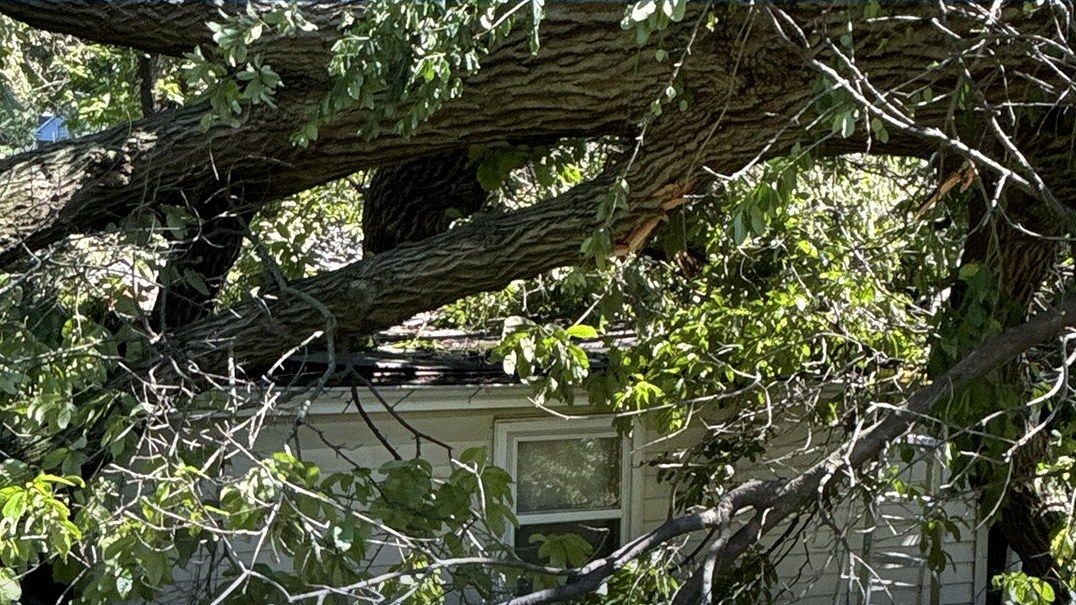
A limb or tree that lands on your home can break a wall, a window, or the roof and drive rain and debris inside. Removing the tree itself is tree service work, which we do not do. Once it is cleared, or if the damage is inside the house, we clean up broken materials and debris from the interior, board up openings we can reach, dry anything that got wet, and document what was damaged.
Lightning, Power, and Fire-Adjacent Damage
Lightning can start a fire, leave smoke and soot behind, or knock out power long enough for a sump pump to stop and a basement to fill. If a strike caused a fire, our fire damage restoration team handles the fire and smoke damage. Electrical damage after a strike should be checked and repaired by an electrician. We handle the water, smoke, and cleanup that follow.
Storm Damage Repair, Cleanup, and Restoration Services
Storm restoration is more than debris removal, and it is not only roofing. A full storm job covers several steps, and we handle the ones tied to the damage inside your property:
- Inspection and documentation of the damage
- Temporary stabilization, including board-up of openings
- Cleanup of storm debris and damaged materials inside the property
- Water extraction, drying, and moisture monitoring
- Removal of materials that cannot be saved, such as saturated drywall, insulation, and flooring
- Odor and moisture monitoring while the property dries
- Protection of your belongings, including pack-out when rooms need to be emptied
- Repair planning and rebuild
When you are ready to move from cleanup to repair, our reconstruction services rebuild what the storm damaged inside: drywall, insulation, flooring, trim, cabinets, and paint. If you want to know how storm repair fits into the bigger picture, our storm damage repair page walks through the repair side in more detail. If your belongings have to leave the house while crews work, our pack-out team can inventory, pack, and clean them.
How Our Storm Restoration Process Works
Every storm job is different, but the steps follow the same order. Here is how we work through it.
1. Safety Review and Damage Assessment
We start by walking the property, looking for hazards such as exposed wiring, wet ceilings that may fail, broken glass, and standing water, and then find out how far the damage goes. Moisture meters and thermal imaging show us water that is not visible on the surface. That assessment sets the plan and the order of work.
2. Temporary Protection and Board-Up
Open windows, doors, and wall sections are boarded up so the property is closed to weather while permanent repairs are arranged. If the roof needs to be covered, that is a roofing contractor's job, and we will tell you so early so the roof does not sit open.
3. Water Mitigation and Structural Drying When Needed
If rain or flood water got inside, we remove standing water, set up drying equipment, and check moisture readings until walls, floors, and framing are dry. Drying is its own phase of the job, and we document it as we go.
4. Cleanup, Removal, and Documentation
Materials that cannot be saved are removed, debris is cleaned out of the affected areas, and surfaces are cleaned. We photograph the damage before, during, and after, and we keep moisture readings and an itemized scope of the work. That record is yours to share with your insurance company.
5. Repair Planning or Reconstruction Coordination
When the structure is dry and clean, we talk through repair options with you. Our reconstruction team can rebuild the interior damage, and we will be clear about which parts of the repair, such as the roof, belong to another trade.
6. Final Walkthrough
Before we call the job done, we walk the work with you so you can see what was done, what was removed, and what comes next.
Storm Water Damage and Mold Prevention
Roof leaks, window leaks, wet insulation, ceiling stains, soaked drywall, and trapped moisture are how storm water becomes a bigger problem over time. Mold needs moisture to grow, and wet materials that sit for days give it what it needs. Extraction that starts early, drying to verified readings, and humidity control reduce the conditions mold needs, but we cannot promise mold will never develop, because that depends on how long materials stayed wet and what they are made of.
Storm water can hide in insulation, under flooring, and inside wall cavities long after the surface looks dry. That is why we measure instead of guess. Our structural drying page explains how we track moisture through walls, floors, and cabinets. If you already see mold or smell a musty odor that does not clear as things dry, our mold remediation team can take a look and handle it separately from the storm work.
Insurance Documentation After Storm Damage
Many storm losses involve an insurance claim, and a claim goes better when the damage is documented well. For every storm job we record the affected areas with photos, moisture readings, drying records, and an itemized scope of the work performed. We work with your insurance company by providing that documentation, and the record is yours to share with your adjuster.
We cannot tell you whether your policy will cover a loss or whether a claim will be approved. Storm damage may be covered, but coverage depends on your policy and the cause of loss, and that decision belongs to your insurance company. Take your own photos if it is safe, keep receipts for emergency expenses, and call your insurance company early. We will make sure the work we do is documented for that conversation.
Commercial Storm Damage Restoration
Storms hit businesses and rental properties too, and a damaged building brings its own problems: tenants who need to be kept safe, customers who cannot come in, and owners who need records for their insurance company. We restore storm damage for homes and businesses across the St. Louis area, using the same steps described above.
For business owners and property managers, we talk through access, scheduling, and which areas need to be closed off so you can plan around the work. Documentation matters even more in these cases, so you get the photos, moisture readings, drying records, and scope you need for your own reports and your insurance company.
Storm cleanup at a workplace is part of our commercial restoration services for St. Louis-area businesses.
Why Choose a Local Storm Restoration Company in St. Louis
After a big storm, out-of-town crews and temporary contractors show up on the news and on doorsteps. It is worth knowing who you are calling. Sansara 24/7 Restoration & Remodeling is locally and family owned and based in Wildwood, and we serve homes and businesses across the St. Louis area.
Here is what you can count on when you call:
We answer 24/7 at (636) 812-3838
We are fully insured
We are BBB Accredited with an A+ rating
Estimates are free
You get written documentation of the loss and of our work
We serve St. Louis City and St. Louis County, including Chesterfield, Town & Country, Wildwood, Ladue, Ellisville, Ballwin, Clayton, and Clarkson Valley, as well as St. Charles and O'Fallon in St. Charles County, and Jefferson County, Franklin County, and Monroe County in Illinois.
Get Storm Damage Help in St. Louis, MO
If a storm damaged your home or business, do not wait for water, open windows, or unsafe conditions to get worse. Call Sansara 24/7 Restoration & Remodeling for storm damage restoration in St. Louis, MO. We can inspect the damage, board up exposed openings, dry what got wet, document the loss, and help you plan the next step toward cleanup and repair.
Call (636) 812-3838 any hour of the day or night, or request a free estimate online if the damage is stable and you are planning repairs.